Utah One Health Symposium 2026 speaker information

Erin Welsh & Erin Allmann Updyke are the dynamic scientists and storytellers behind the popular podcast, This Podcast Will Kill You, where they explore diseases and medical topics from biological, historical, and epidemiological perspectives. With PhDs in ecology and entomology and an MD and board certification in family medicine between them, Erin and Erin bridge the gap between cutting- edge research and everyday understanding, making complex science approachable, engaging, and relevant. Their mission is simple but powerful: increase public trust in science by replacing jargon with clear explanations, curiosity, and candid conversations, even about what is still unknown. Whether unpacking the spread of a virus, the science behind vaccines, or the history of women’s health and medicine, they blend expertise with empathy to spark curiosity and deepen understanding across audiences of all backgrounds.
Before their popular live shows and a hit podcast, Erin and Erin were scientists who saw an urgent need to demystify how science is done. Today, they are leading science communication events for institutions around the globe, and partnering with organizations such as the Association for Professionals in Infection Control and Epidemiology, The Ohio State University’s Infectious Diseases Institute, and the Australian Institute of Occupational Hygienists. No matter the program format or medium, their impact is rooted in the belief that curiosity is contagious and the best science conversations start with a great question.
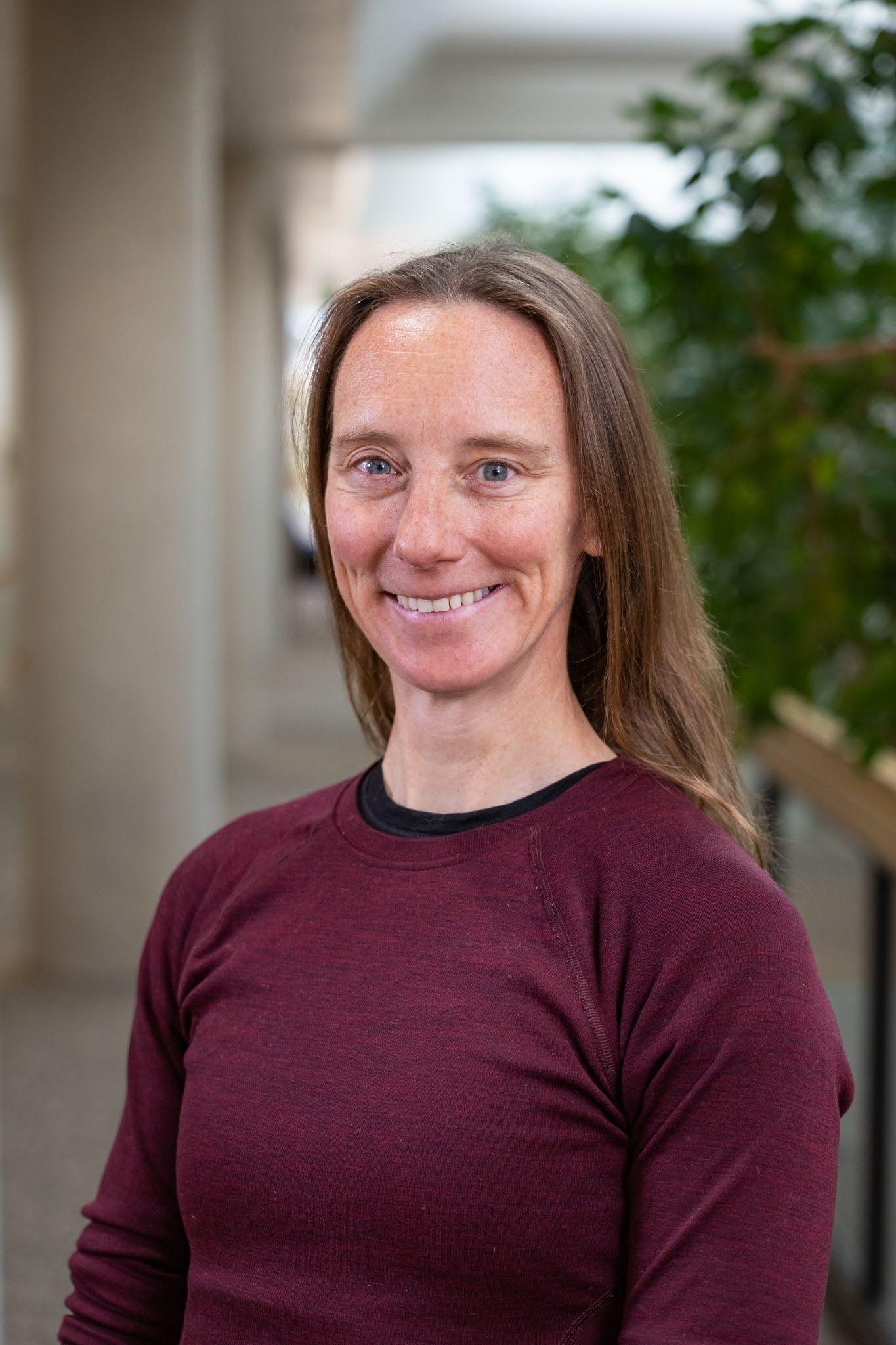
Kezia Manlove is an associate professor in the Department of Wildland Resources at Utah State University. She is trained in statistics and disease ecology, and studies infectious diseases in wild ungulates across the Intermountain West. Her research focuses on the interface between disease spread and animal movement, and she now considers herself at least half movement ecologist. Since 2022, she has co-led a national collaboration of more than 50 academic, state, and federal researchers investigating infectious disease and spillover risk in free-ranging deer populations. Outside of work, she is gradually replacing all the grass in her yard with native and food-producing plants.

Debbie Pedersen is an animal control officer for Herriman City and current Utah Animal Control Officers Association President. Debbie has dedicated her life to animals — with 7 years at Herriman City, 23 years in animal control, and 30 years as a veterinary technician. She helped build Herriman's animal control department from the ground up and has guided shelters across multiple cities to no-kill status, all while changing the way communities see shelters: not as scary places, but as places of kindness and care. Outside of work, Debbie is an animal lover through and through, riding horses since age 8 and sharing her life with 3 horses and 3 dogs.
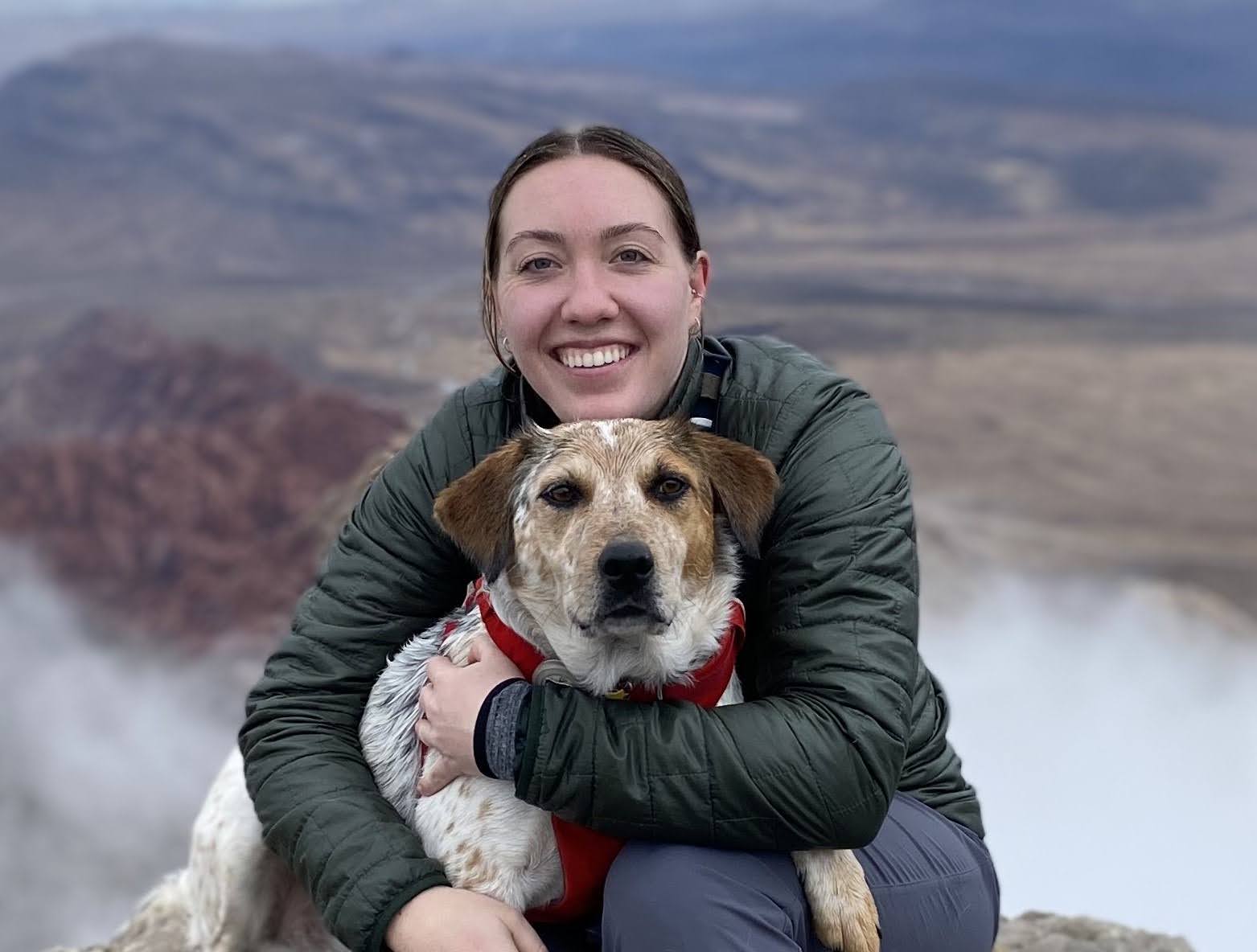
Karen is currently a One Health epidemiologist with the Utah Department of Health and Human Services. She started with the department over 5 years ago, where she first worked on waterborne and enteric illnesses. She now enjoys working on One Health related diseases ranging from harmful algal blooms illnesses to prion diseases to rabies and other zoonoses. Karen is passionate about the connection between human, animal, and environmental health and enjoys working with a variety of diverse partners. She feels like she is always learning something new! Prior to her current position, she received her Master of Science in Public Health at the University of Utah, where she studied SARS-CoV-2 in wastewater. In her free time you can usually find her spending lots of time outside with her husband and their dog, Murphy.
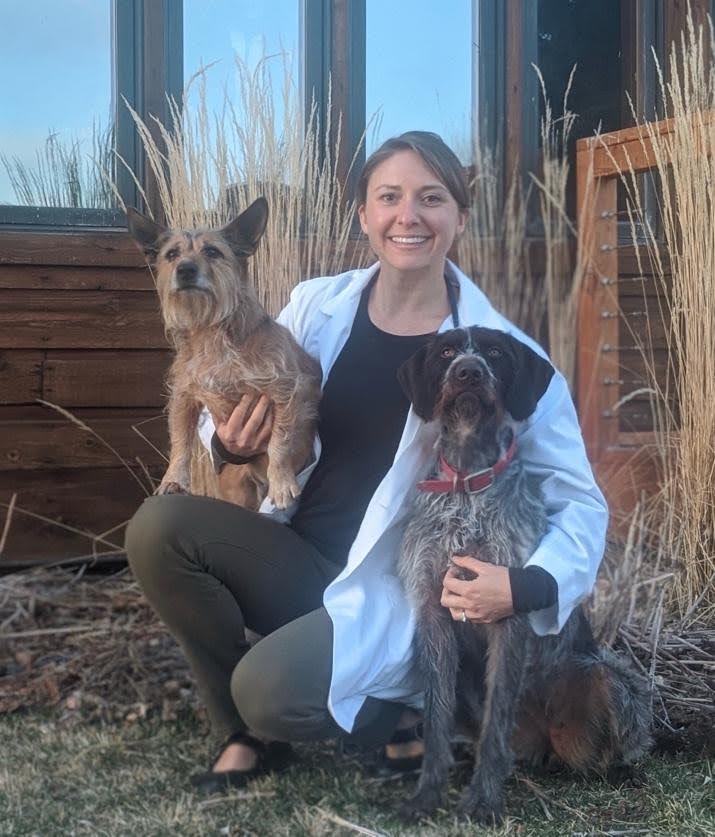
Chloe Stenkamp-Strahm is an Assistant Professor and Extension Veterinarian in the Utah State University College of Veterinary Medicine. Her work focuses on zoonotic disease surveillance, food safety, and emerging infectious diseases. Through research, teaching, and Extension programs, she works with veterinary, public health, and agricultural partners to strengthen disease preparedness and One Health collaboration across Utah and the Intermountain West.

Jade Murray is a Preparedness Epidemiologist at the Utah Department of Health and Human Services (DHHS). Jade’s career in public health is dedicated to high-consequence pathogens. Throughout her career, she has managed epidemiologic surveillance, overseen public health programs, and designed complex emergency exercises to strengthen community resilience. Jade has demonstrated strong leadership during critical public health events, notably coordinating response efforts for the COVID-19 pandemic, managing operations during the 2022 mpox outbreak, and leading active monitoring workflows for travelers returning from viral hemorrhagic fever outbreak areas. She prides herself on building robust, collaborative workflows and maintaining strong partnerships across public health sectors.
Jade holds an MPH from Westminster University and is passionate about scientific problem-solving. She brings a deep personal dedication to her work, drawing on her past experience building critical public health response plans. Throughout her career, her work has been featured in several articles and professional publications, including Morbidity and Mortality Weekly Reports (MMWRs) for her contributions to mpox outbreak responses.
A native of Utah, Jade spends her time away from emergency preparedness exploring local hiking trails and tending to her home garden. She also enjoys camping trips with her partner and their two dogs.
Dr. Spivak is a Professor of Medicine in the Division of Infectious Diseases in the Department of Internal Medicine. She established and serves as Co-Director of the Antimicrobial Stewardship Programs at University of Utah Health and the Salt Lake City Veterans Affairs Healthcare System. She has been in those roles for nearly 15 years, working across healthcare settings and provider groups within University of Utah Health to promote judicious, thoughtful antimicrobial use with the goal of optimizing patient outcomes. Dr. Spivak's research interests focus on understanding patterns and drivers of antimicrobial use, development and evaluation of methods to improve antimicrobial use. She has led clinical research focused on evaluating patient outcomes related to various antibiotic use strategies. Recently, Dr. Spivak has developed interest in the intersection of climate change and healthcare and led national efforts to estimate greenhouse gas emissions from unnecessary antibiotic prescriptions and advocated for more sustainable practices with infectious diseases diagnosis and antimicrobial prescribing. She has been recognized nationally for her efforts to promote antimicrobial stewardship. She is a Fellow of the Infectious Diseases Society of America (IDSA) and a Fellow of the Society for Healthcare Epidemiology of America (SHEA). She serves as a Board Member for SHEA and is a prior member of the Board of Scientific Counselors for the Office of Infectious Diseases at the Centers for Disease Control and Prevention. At University of Utah Health, she serves on Pharmacy and Therapeutics Committee (P&T), the Antimicrobial Subcommittee of P&T, Quality and Value Steering Committee, and Infection Control Committee.
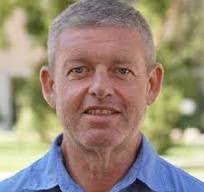
Korry J. Hintze, PhD is an Associate Professor in the Department of Nutrition, Dietetics and Food Sciences at Utah State University. His research examines how dietary patterns, food processing, and environmental exposures influence gut health, the gut microbiome, inflammation, and chronic disease risk. Dr. Hintze developed the Total Western Diet, a mouse diet based on NHANES dietary intake data that more accurately models typical American nutrition than traditional high-fat diets. His laboratory investigates how Western dietary patterns, psychological stress, environmental contaminants, and novel foods such as plant-based meat alternatives interact to influence gut inflammation and colorectal cancer risk. His work is supported by the USDA National Institute of Food and Agriculture and the Utah Agricultural Experiment Station, with the goal of generating translational evidence to improve nutrition and public health.
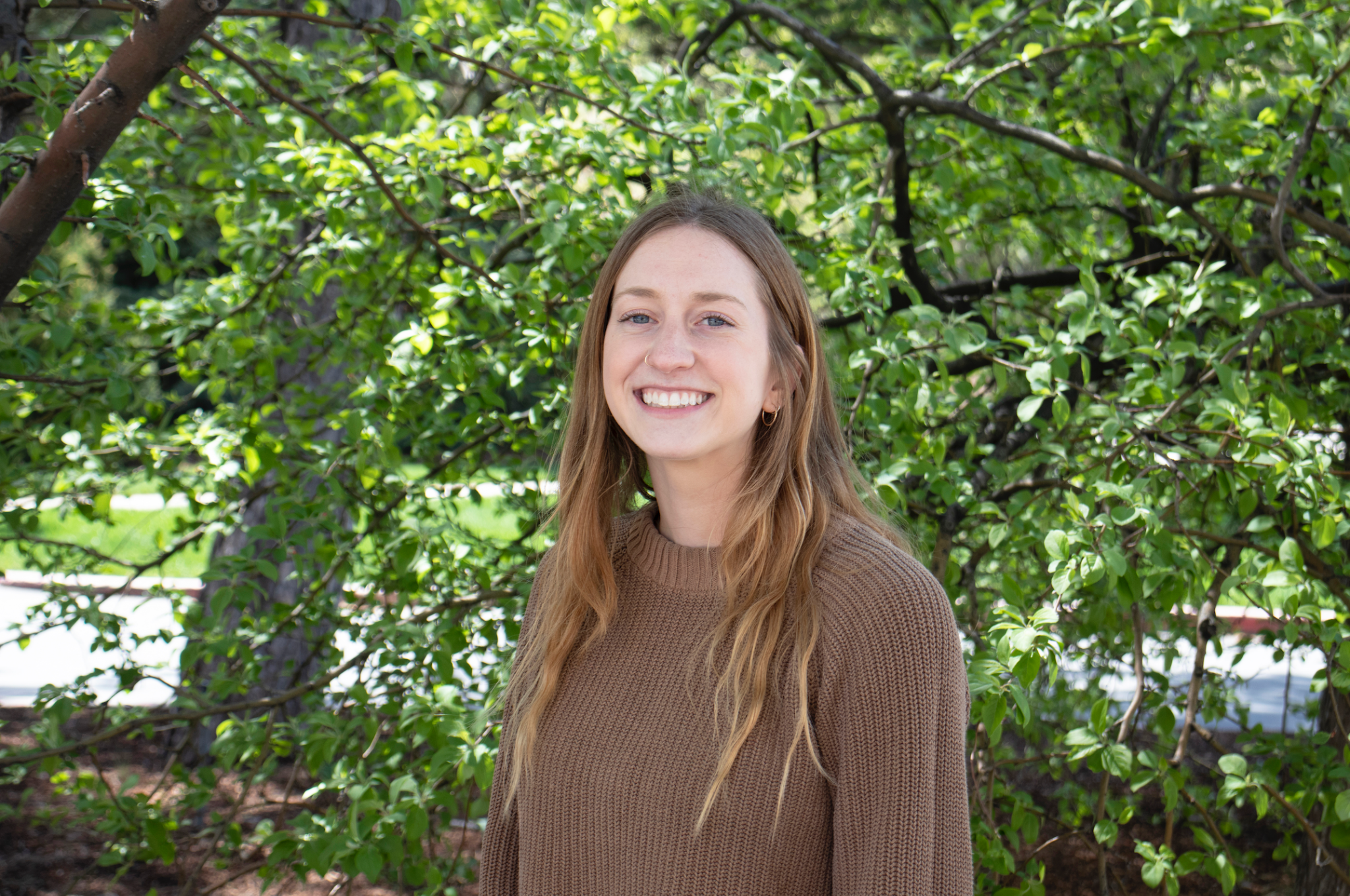
Emily Calhoun is a PhD candidate in the Saarman Lab at Utah State University, where her dissertation research focuses on the population genomics of Culex mosquitoes and the ecology of West Nile virus transmission. Her work combines molecular bloodmeal analysis, field surveillance, genome-wide sequencing, and modeling to understand how host-feeding behavior, gene flow, and hybridization shape disease risk across the state. She is particularly interested in what evolutionary processes reveal about vector dynamics, such as spatial patterns, range expansion, and the potential spread of insecticide resistance. Her research sits at the intersection of ecology, public health, and landscape genomics, reflecting a One Health approach to managing vector-borne disease.

Joey Caputo has served as an entomologist for the Utah Department of Agriculture and Food since 2013. His specializations are in invasive insect mitigation and apicology. He currently serves as the state's invasive insect trapping coordinator and as a honey bee inspector.
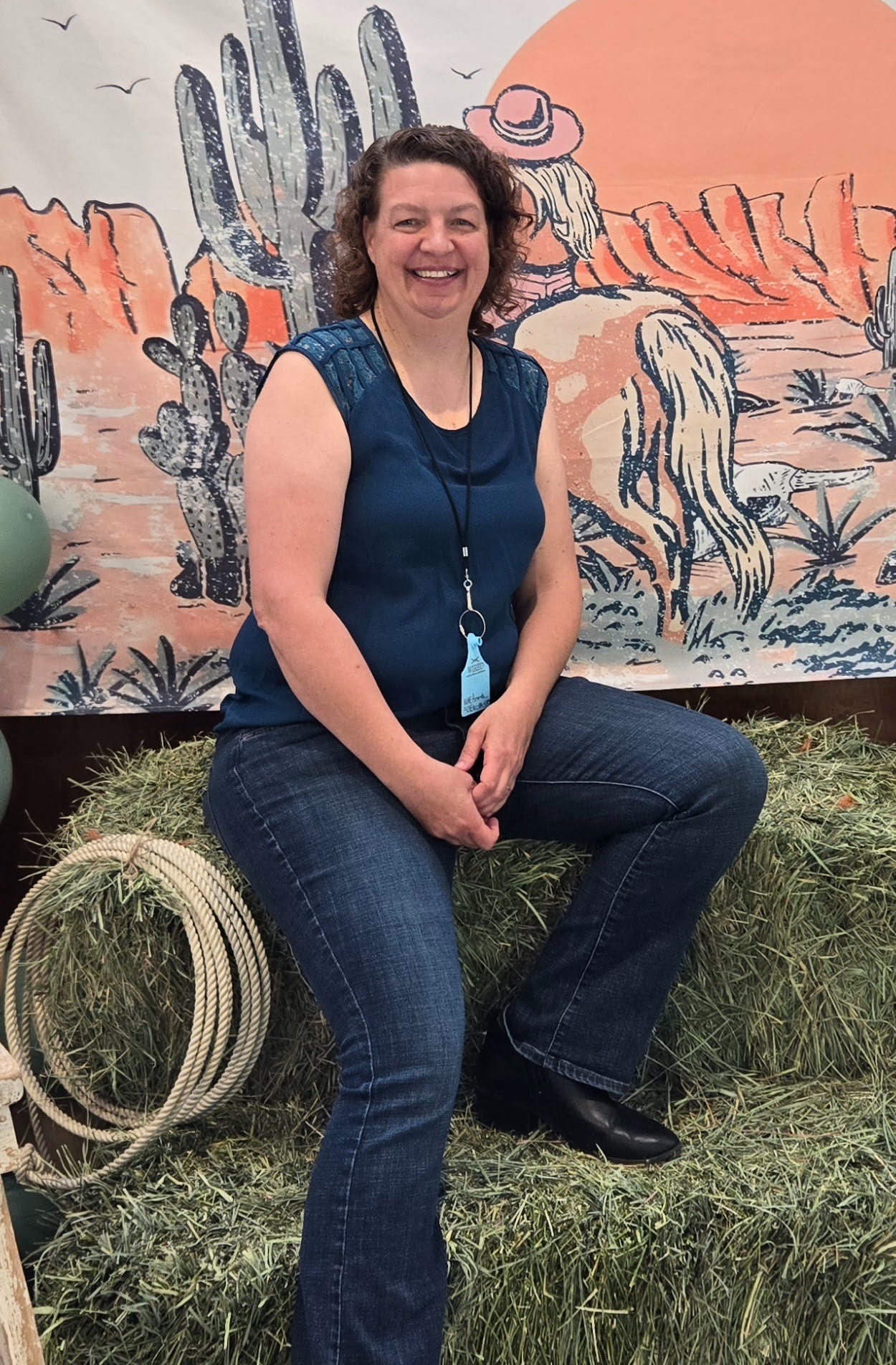
Dr. Amanda Price is the State Veterinarian at the Utah Department of Agriculture and Food. Among other duties, she oversees Emergency Programs (disasters and emergency animal diseases) for the Division of Animal Industry. Before joining UDAF in 2019, Dr. Price worked as a food animal veterinarian in California’s Central Valley. In her spare time, she enjoys exploring this beautiful state with her husband and two boys.
Ajla Auker
Ajla Auker is a digitization and lab technician for the Vertebrate Zoology collection at the Natural History Museum of Utah and also served as a 2026 Tick Surveillance Intern with the Utah Department of Health and Human Services. With an undergraduate degree in Art History and Museum Studies, Ajila has always been drawn to natural history museums and collection management. Their current work consists of data management, increasing accessibility, specimen collection, which is fundamental to preserving accurate records across changing landscapes. They hope to continue working within wildlife biology and conservation for a master’s degree, with an emphasis on zoonotic diseases and how these changing landscapes impact human-wildlife interactions and thus can increase the risk of disease transfer.
Beckett Chambers
Beckett Chambers is in his fourth year at the University of Utah majoring in biology and minoring in global health and chemistry. He is currently doing research in an epidemiology lab with a focus on one health and exploring interdisciplinary factors that affect human health here in Utah. His current work uses new data to provide an updated context of the state of Valley Fever in Utah and exploring geographic, temporal, seasonal, climate, and demographic trends over the past 15 years. He plans on attending medical school in Utah and becoming a doctor in public health with a focus on rural communities and the disparities they face.
Kelsey Rayment
Kelsey Rayment is a wildlife veterinarian and currently a PhD student at Utah State University. She is originally from Madison, Wisconsin where she completed her veterinary degree at UW-Madison and developed an interest in wildlife health and medicine. Following veterinary school, she completed internships at Louisiana State University and Cornell University. Then she went on to complete a residency in avian medicine and ecosystem health at The Raptor Center, at the University of Minnesota. During her residency she conducted a research project looking at exposure of wild raptors to highly pathogenic avian influenza as well as treating a variety of sick and injured raptors. Her PhD research at Utah State will examine the trends in island fox disease exposure and the impacts on their population dynamics. She is passionate about understanding the threats disease poses to native wildlife and how we can use this information to continue to improve our conservation efforts.
Eric Larsen
Eric Larsen is the Director of Environmental Health at the Central Utah Health Department, where he has led environmental public health programs since December 2019. He previously spent seven years at the TriCounty Health Department as an Environmental Health Scientist and Environmental Lab Director.
While his role encompasses the full spectrum of environmental public health programs, he maintains a dedicated focus and specialized passion for water quality, safety, and management.
Eric holds a dual MPH/MHA from the University of Utah and bachelor's degrees in Biology and International Studies.
Alejandra Toscano
Alejandra Toscano is an Environmental Scientist with the Utah Department of Environmental Quality’s Division of Water Quality, where she supports the Recreational Water Quality Health Advisory Program. Her work focuses on harmful algal blooms (HABs) and waterborne pathogens, including monitoring, data analysis, public outreach, and coordination with laboratory and field teams.
Alejandra holds a Professional Science Master’s in Environmental Science from the University of Utah and a Bachelor’s degree in Environmental Engineering from Tecnológico Nacional de México - Campus Colima. Her background includes water quality assessment, environmental data analysis, GIS, environmental compliance, and environmental health and safety. She is particularly interested in using environmental data and emerging technologies to improve water-quality monitoring and public health communication.
Kacy Nowak
Kacy Nowak is the One Health and enterics team lead with the Utah Department of Health and Human Services (UDHHS), and has been with DHHS since 2021. Kacy's main focus is vector-borne diseases including West Nile virus and tick-borne disease surveillance and response along with responding to various vector-borne and enteric outbreaks. Some of her roles include leading the biweekly arboviral calls, organizing and leading the active tick surveillance efforts across the state, running the citizen tick submission program, identifying ticks collected throughout the state, and participating as the co-chair of the One Health Symposium Planning Committee. She received her undergraduate degree in Microbiology from Colorado State University and her Masters in Public Health from Emory University. Outside of work, you can find her trail running all over the Wasatch mountains with her border collie or snowboarding in the winter.
BreAnne Osborn
BreAnne is an epidemiologist at the Utah Department of Health and Human Services where she has spent the last five years working to protect public health. Her journey in epidemiology began at the University of Minnesota where she earned a masters of public health degree in epidemiology while working on the infamous "Team Diarrhea" at the Minnesota Department of Health. Although she is primarily focused on enteric disease surveillance and foodborne outbreak investigation, she has enjoyed the challenge of stepping into the mysterious world of fungi to collaborate with doctors, academic researchers, and others to raise awareness of valley fever in Utah and make it a little less neglected. BreAnne is also a dedicated mentor who guides students through public health projects. In her free time, you can find her playing the oboe in community orchestras or attending local theater productions.
Ginger Stout
Dr. Stout is the state wildlife veterinarian for the Utah Division of Wildlife Resources. Dr. Stout received a Bachelor’s degree in Animal Science from Washington State University, A Doctor of Veterinary Medicine from Auburn University, and a Masters in Conservation Medicine from Tufts University. She has worked across the U.S and internationally including Canada, South Africa and Nepal, with a mixed variety of experiences with wildlife, as well as large and small domestic animals. She is experienced in wildlife capture, field surgery, wildlife research, disease surveillance, and management. Her interests involve wildlife health, animal welfare, One Health, and wildlife-domestic animal interactions.