Utah One Health Symposium 2025 speaker information

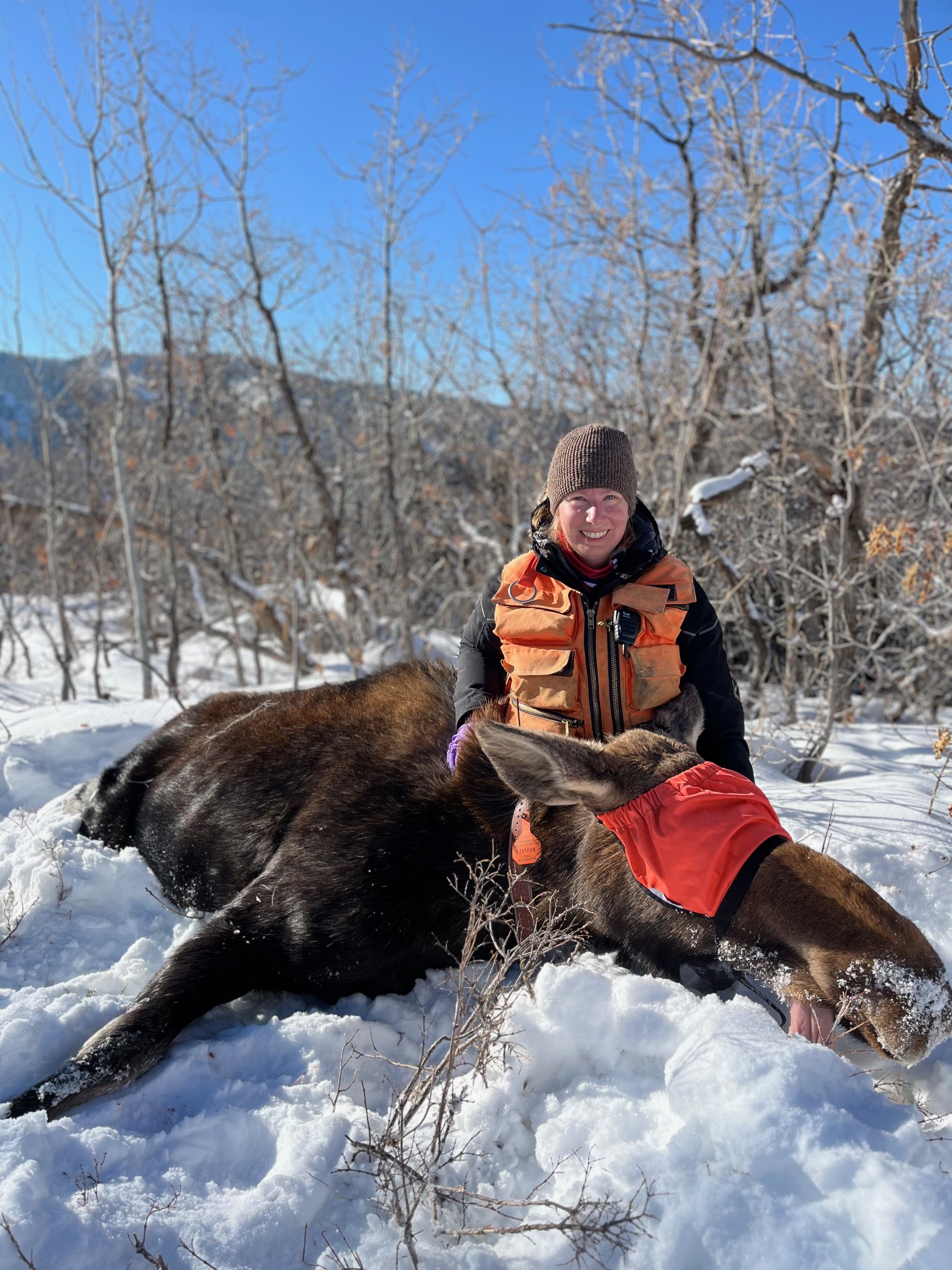
Dr. Stout is the state wildlife veterinarian for the Utah Division of Wildlife Resources. Dr. Stout received a Bachelor’s degree in Animal Science from Washington State University, A Doctor of Veterinary Medicine from Auburn University, and a Masters in Conservation Medicine from Tufts University. She has worked across the U.S and internationally including Canada, South Africa and Nepal, with a mixed variety of experiences with wildlife, as well as large and small domestic animals. She is experienced in wildlife capture, field surgery, wildlife research, disease surveillance, and management. Her interests involve wildlife health, animal welfare, One Health, and wildlife-domestic animal interactions.

Dr. Erickson grew up tagging along with his father who was a veterinarian in Heber City, Utah in a mostly mobile practice making farm calls. After vet school at Kansas State University he then joined his father in that same practice at Wasatch Summit Veterinary Clinic for eight and a half years working in mixed large and small animal medicine. For the last 32 years, he has worked at the Utah Department of Agriculture and Food as a Field Veterinarian. He is a Foreign Animal Disease Diagnostician and has participated in Emergency Task Force deployments, including innumerable HPAI outbreaks in all types of production species. Dr. Erickson is married with four children and currently resides in Heber City, Utah.

Sean has been chasing bad guys (mosquitoes) in Washington County for over 16 years. He is an expert on surveillance, setting traps, and eliminating threats.
To eliminate vector-borne diseases, he has written mosquito identification books, created procedures for mosquito virus testing, and implemented new designs for mosquito traps. If there is ever free time, he likes to spend time with his large family, play soccer, and help his neighbors in his hometown of Virgin, Utah. Sean is also currently serving as the President of the West Central Mosquito & Vector Control Association.

Jamie Parry is a Master of Anticipatory Intelligence candidate at Utah State University’s Center for Anticipatory Intelligence, where she specializes in biosecurity and data analytics. Her work includes policy-oriented research with the Institute of Land, Water, and Air on residential water use, as well as current research examining the strategic culture shaping responses to highly pathogenic avian influenza (HPAI). She also enjoys hiking in Logan Canyon, hosting Survivor watch parties, and leading event and volunteer coordination for Utah State's Student Association.

Travis Duran is a Wildlife Project Director and environmental steward with a strong commitment to Indigenous-led conservation. A Tribal member of the Shivwits Band of Paiutes (Southern Paiute Nation), Travis blends traditional ecological knowledge with modern wildlife science to protect culturally significant lands and species across Indian Country.
Raised with a deep respect for the land and the teachings of his Paiute ancestors, Travis developed early experience in wildlife tracking, land restoration, and community resource protection. He later advanced into professional conservation roles, where he has led wildlife surveys, habitat recovery projects, invasive species management, and collaborative ecological planning with Tribal governments.
Travis is recognized for his leadership in wild boar population management using humane and culturally rooted methods, including trained hound dogs. This traditional practice not only reflects the Paiute value of balance with nature but also demonstrates his expertise in developing effective, ethical wildlife management strategies that protect ecosystems while honoring Tribal sovereignty.
With experience working alongside environmental departments, wildlife biologists, and community mentors, Travis is dedicated to creating conservation programs that are not only scientifically strong—but culturally grounded. He advocates for Tribal rights, land stewardship, and youth education in conservation, believing that protecting the environment is a responsibility carried for future generations.

Shallen Sterner has worked as an Environmental Health Scientist at the Southwest Utah Public Health Department for 14 years. Before that, he worked for 11 years in private industry as an Environmental Health and Safety Manager. He graduated with a B.S. in Environmental Resource Management from California State University.
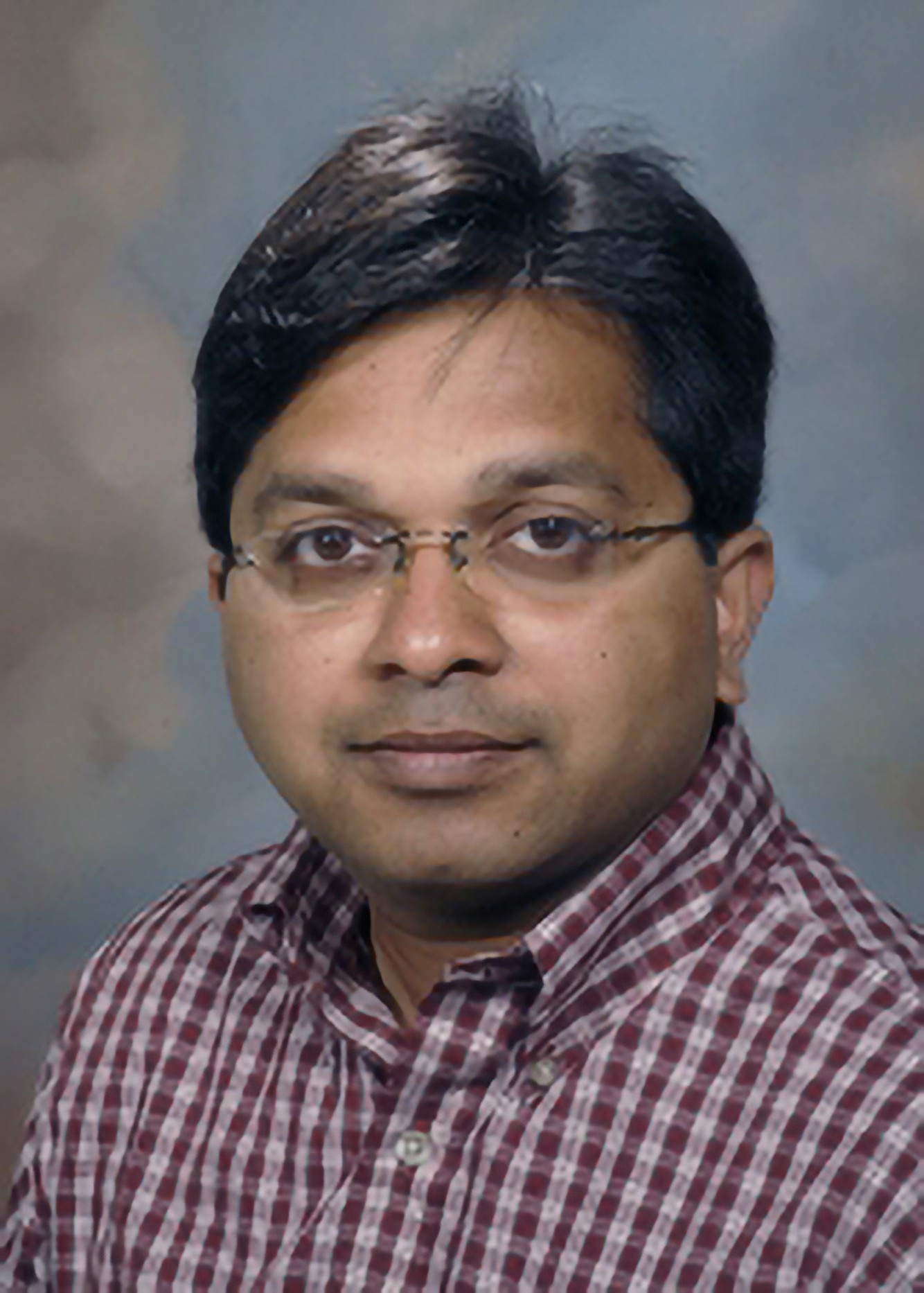
Ram is an assistant professor of biomedical informatics at the University of Utah. He specializes in developing novel informatics methods and platforms for translational research and science.


Tamra Borchardt-Slayton serves as the Chairperson of the Indian Peaks Band of Paiutes, Tribal Council Member for the Paiute Indian Tribe of Utah, and Program Manager for the Puow’wan (“Family”) Program. She is also an adjunct professor at Southern Utah University. Tamra is an enrolled member of the Indian Peaks Band of the Paiute Indian Tribe of Utah.
With over a decade of experience managing federal grants and developing community-based programs, Tamra specializes in the Paiute Indian Tribe of Utah’s complex history and governance. She uses this expertise to design programming that takes a holistic approach to the Puow’wan, or “family,” concept, strengthening cultural connections and supporting the well-being of her tribal community.
Tamra also brings more than ten years of experience in tribal and band leadership. A dedicated advocate for marginalized communities, she has served on numerous boards and task forces focused on advancing meaningful policy change and promoting equity for Indigenous peoples.
Tamra earned her bachelor’s degree in Sociology and History from Southern Utah University and her master’s degree in Tribal Administration and Governance from the University of Minnesota Duluth. Her current goals include expanding and strengthening the Tiwahe National Program objectives, which her Tribe has renamed the Puow’wan (“Family”) Program, and working diligently to establish the Tribe’s first-ever court system.
Adam Tatro
Adam is a current Biosecurity Master's student in Anticipatory Intelligence (MAI) student at Utah State University. He is a philosopher, primarily focusing on Ethics in Emerging Technology & Bioethics. His work in Biosecurity primarily revolves around Biosecurity threat assessments & systems dynamics, and exploring ethical implications for implementing biosecurity policies.
Separately, he is researching the language used to communicate risk and disseminate information between biosecurity authorities (State Veterinarians, Veterinarians) and agricultural sector workers. Identifying gaps in understanding and meaning behind the words used to communicate risk is crucial, and this research will develop a toolkit for authority figures to bridge these gaps. To achieve a more resilient food system, bridging this gap is critical.
He is also working on a more philosophically oriented research project examining how Artificial Intelligence-Assisted Diagnosis (AISD) in Clinicians' mammography screenings constitutes epistemic harm by further biasing communication against marginalized patients through its opaque "black box" decision-making tools. He explores how epistemically opaque technologies (such as AISD) fail to justify their conclusions, despite being classified as epistemic technologies.
Annabel Anyang
Annabel Anyang is a veterinarian and Biochemistry PhD candidate at the University of Utah, where she works in the Starr Lab studying the molecular evolution of zoonotic coronaviruses. Her research focuses on how these viruses evolve in intermediate host animals such as farmed minks to spillover into humans. As a passionate science communicator, she is committed to making science engaging and accessible through visual storytelling. She creates comics and animations that demystify complex scientific research into engaging educational tools for students and the general public. Outside the lab, Annabel enjoys making zines, painting, traveling, and sketching in cozy Salt Lake City cafés.
Oakley James, Alexis Vigil, and Lincoln Jacobs
Oakley, Alexis, and Lincoln are all senior students in the Medical Laboratory Sciences (MLS) program at Weber State University, graduating in December, 2025. Their academic curiosity has led them to participate in multiple research projects within and outside of the MLS program. Their research interests include clinical and environmental microbiology, immunohematology, human anatomy, and immunology. The research project they conducted this summer, “Pathogen Prevalence of Untreated, Pressurized, Municipal Irrigation Water in Northern Utah” explores the microbial dangers of the secondary water system used in Utah and other western states. Through this work they contributed meaningful data towards understanding the public health risks associated with using untreated irrigation water in our communities.
Following graduation, all three students plan on applying to medical schools in the summer of 2026, with the goal of matriculating and starting medical school in 2027.
Lulu Blau
Lulu Blau is an environmental advocate and AmeriCorps VISTA with the Utah Health and Environment Action and Resilience Team (UHEART). During her service year, she has led the development of the UHEART online hub by consolidating public resources that highlight the connection between environmental change and health outcomes. Her work includes tools and information related to air quality, water quantity and quality, and extreme temperatures—all aimed at helping Utahns protect their health in a changing environment.
A recent graduate of Tulane University’s Environmental Studies program, Lulu has found alignment with the One Health approach since moving to Utah. She recognizes the vital connection between human, animal, and environmental health—especially in a state where that relationship is so visible in the natural landscape. Her work focuses on making climate resilience both actionable and accessible for all communities.
Amy Bills
Amy is a third year medical laboratory sciences major at Weber State University. Her favorite subjects are microbiology and blood bank. This summer she had the opportunity to be on the Rabies Response Team with DHHS which has sparked her love for public health! Aside from school, she loves traveling, art, movies, and napping.