Utah one health stories, continued
These stories illustrate the power of teamwork and collaboration in one health efforts to build healthier communities across Utah.
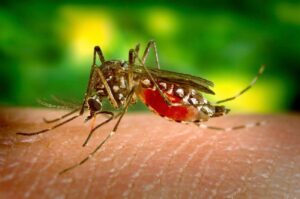
State health officials, local health departments, the Utah Public Health Lab, local mosquito abatement districts, blood donor organizations, Utah’s Hogle Zoo, and Tracy Aviary meet routinely to discuss control of WNV, a mosquito-borne virus that can affect both humans and animals. Read more about WNV prevention and response in the WNV annual reports.
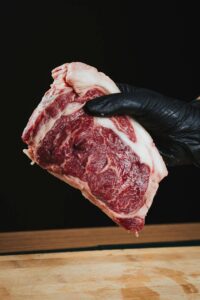
After routine sampling of Utah beef identified potentially harmful levels of thallium, officials from various human, animal, and environmental health agencies collaborated on an investigation to characterize the public health and environmental threat.
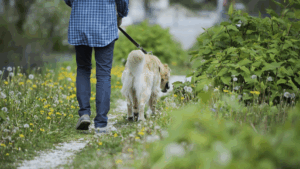
State and local public health officials and environmental specialists worked together to conduct human, animal, and environmental sampling for Corynebacterium ulcerans in a Utah household.

Utah one health partners routinely investigate sheep, goat, and human cases of Q fever, a bacterial disease that can be spread from livestock to people.
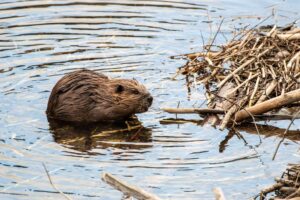
Utah state one health epidemiologists worked with local health departments, Division of Wildlife Resources, Division of Water Quality, and the CDC to investigate a tularemia outbreak among beavers across multiple jurisdictions. This investigation
included water testing, tick drags, public education, and media engagement and required communication between many agencies. This effort highlights the importance and strength of multidisciplinary collaboration between partners to address the health of humans, animals, and the environment.
SARS-CoV-2 one health projects
Utah has participated in various SARS-CoV-2 outbreak investigations and surveillance projects at the human-animal-environment interface.

In October 2021, the lion pride at Utah’s Hogle Zoo developed mild respiratory symptoms and tested positive for SARS-CoV-2, along with zoo staff who worked closely with them. The lions were vaccinated for SARS-CoV-2, and the case led to several one health successes, including community COVID-19 vaccination clinics, a testing program for snow leopard staff, and the launch of a zoonotic SARS-CoV-2 surveillance project in Utah. Watch the CDC’s Zoonoses & One Health Updates (ZOHU) Call from May 4, 2022, to learn more about this investigation.

Health officials collaborated on several epidemiologic investigations on mink farms to identify the source of SARS-CoV-2 introduction, track cross-species transmission, and assess viral evolution in people, farmed mink, dogs, and feral cats.

As part of a nationwide effort to improve reporting gaps for SARS-CoV-2 in animals, Utah health officials collaborated with various one health partners, including the Utah Public Health Lab, the Utah Veterinary Diagnostic Lab, the Division of Wildlife Resources, Utah’s Hogle Zoo, and local animal control and veterinary clinics to build a SARS-CoV-2 animal surveillance system.
Resources for pet owners: Explore the Center for Disease Control and Prevention’s (CDC) additional information on COVID-19 and pets.