One Health in Utah
One Health is a collaborative approach to promote the interconnected health of humans, animals, and our shared environment.
The One Health concept recognizes:
- The link between the health of humans, animals, and our shared environment
- The need for multidisciplinary collaboration to solve interconnected health challenges
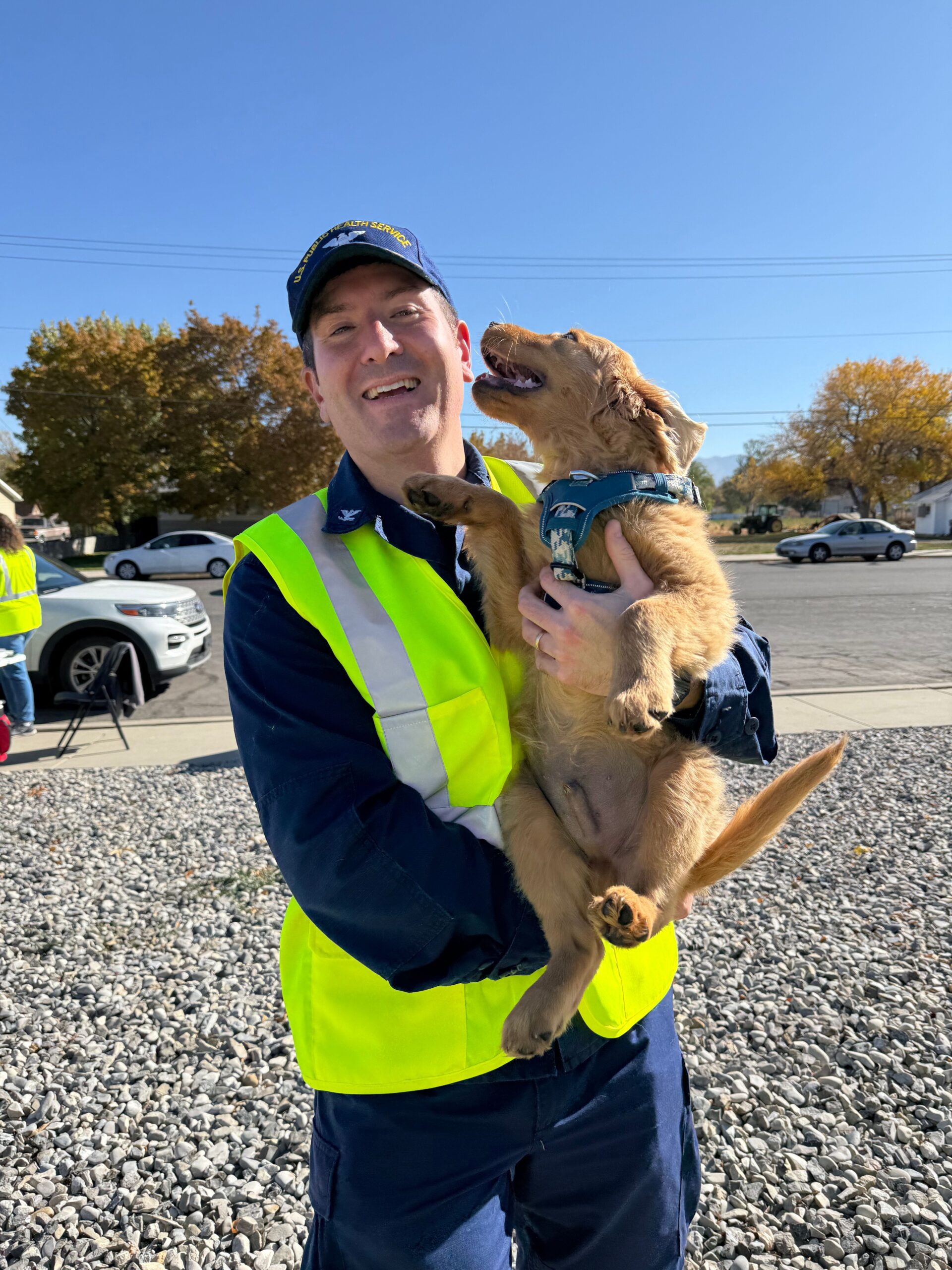
One Health vaccination clinic: Utah's first large-scale One Health vaccination clinic was a big success! The clinic was hosted by the Tooele County Health Department in Grantsville on October 26, 2024 and allowed pets and their people to be vaccinated in a single location which offered a convenient option for the whole family. See this LinkedIn post by our Utah state public health veterinarian for more information about this event.
We held our second vaccination clinic on October 3, 2025 at the Cottonwood Dog Park in Salt Lake City.
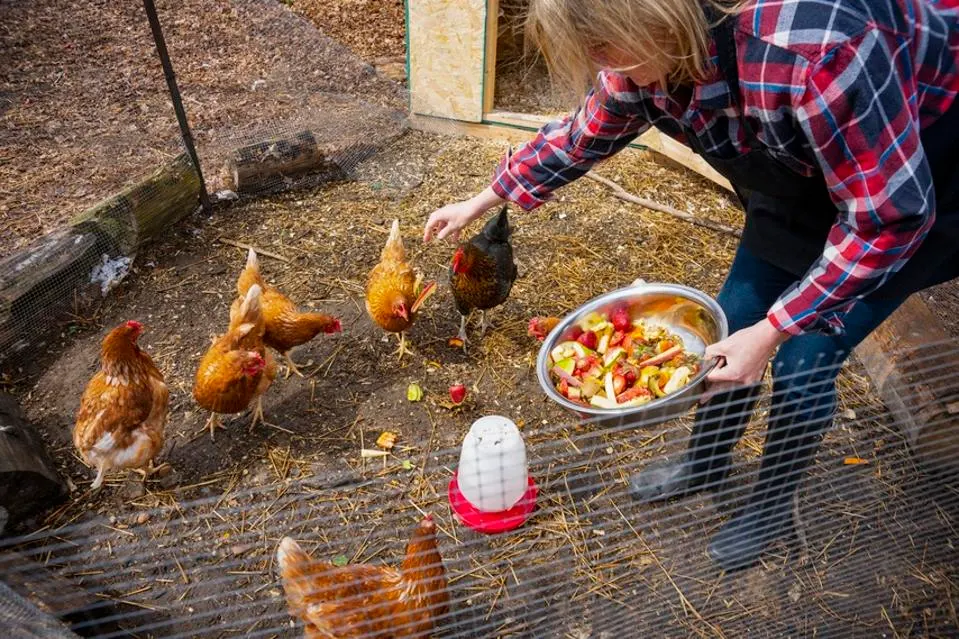
Collaborative response to zoonotic influenza: Since 2022, animal and human health partners in Utah have worked together to respond to highly pathogenic avian influenza outbreaks in wildlife, domestic poultry, and dairy cattle. In addition to zoonotic concerns, these outbreaks highlighted the need to connect agricultural communities with health resources. In April 2025, partners finalized 2 agreements to facilitate rapid collaborative response to zoonotic influenza and other One Health concerns:

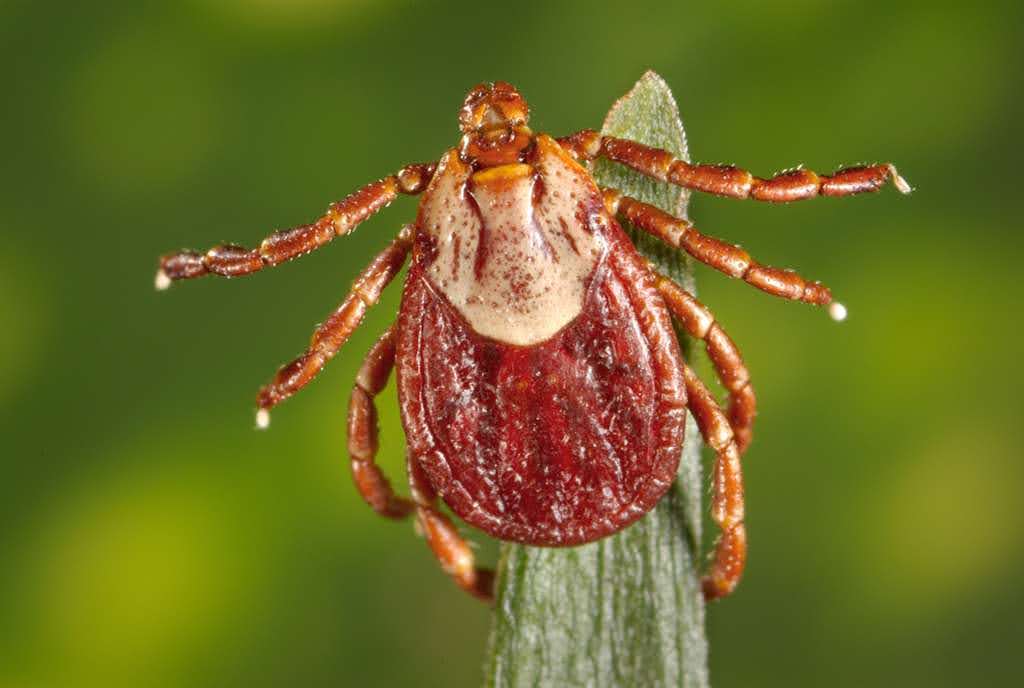
Collaborative tick surveillance: State health officials are developing and expanding partnerships with local health agencies, the Department of Wildlife Resources, local mosquito abatement districts, other One Health partners, and the public to conduct tick surveillance across the state. Efforts to launch a citizen science tick submission program are underway. Anyone who wants to submit a tick to contribute to our surveillance efforts should fill out the Utah tick submission form.
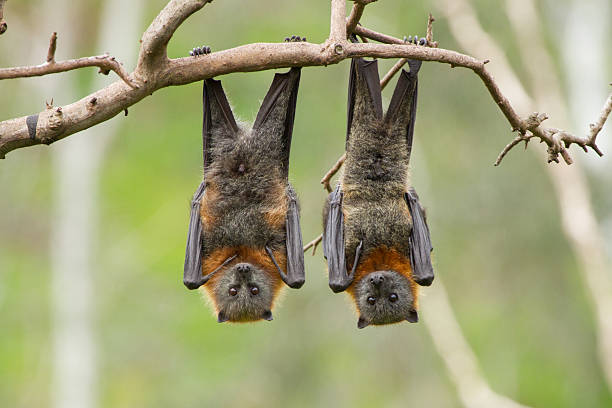
Call the experts for animal rabies testing: When an animal bites a person or another animal, we can test the biting animal to rule out rabies so the biting victim doesn't need rabies treatment. But when the test is not successful at the lab, often because the specimen is decomposed or damaged, it can lead to unnecessary rabies treatment. An analysis of Utah 2014–2023 data showed that animal rabies specimens are much more likely to result in successful tests if they're submitted by trained health professionals. Contact your local animal control, wildlife or public health professional if you have an animal that needs to be tested for rabies.
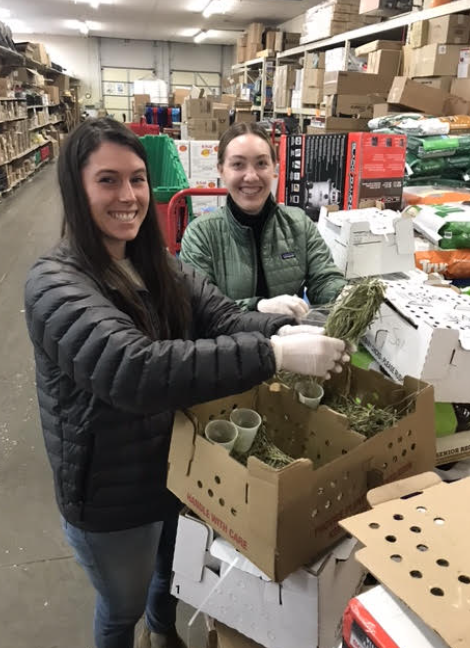
Salmonella in backyard poultry: Each year, millions of chicks are shipped by mail to feed stores, and many end up in backyard flocks which leads to thousands of Salmonella infections. In 2023, we helped pilot a novel Salmonella detection method using "chick papers"—the material chicks are shipped with. In partnership with the CDC and other state and animal health agencies, positive samples were traced back to hatcheries and genetically sequenced. This new testing method helped link 3 multi-state outbreaks and provided valuable data to inform hatchery-level prevention strategies.

Raw milk outbreaks: State and local health officials routinely work together to investigate gastrointestinal illness outbreaks associated with raw milk and raw milk products. The Utah Department of Agriculture and Food published a webpage for consumers and raw milk producers in 2025 that includes a list of permitted raw milk dairies in Utah, information about routine testing of raw milk, and an outline of the outbreak investigation process.

Salmonella in a bearded dragon: After a person became sick with Salmonella following contact with a pet bearded dragon, we tested the reptile and its habitat and confirmed the strain the individual had matched the bearded dragon’s results. Genetic sequencing linked the case to a CDC-led multistate outbreak investigation and helped connect infections across 11 states to bearded dragons. This case also allowed us to educate pet owners on safe handling to prevent future infections.
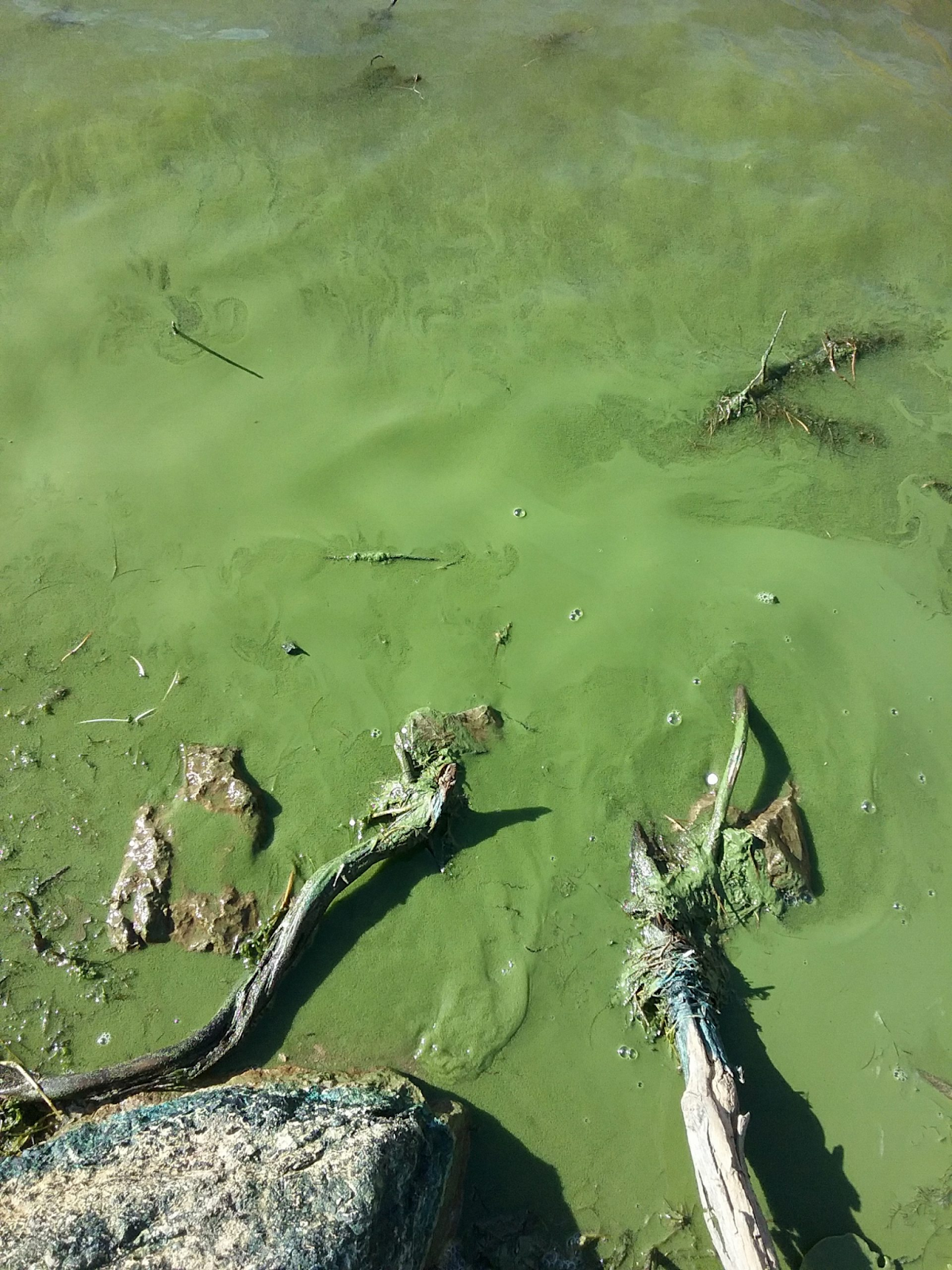
Harmful algal bloom (HAB) surveillance: Every summer, the Division of Water Quality (DWQ) works with state and local partners to conduct routine surveillance for HABs in many water bodies across the state. State health officials partner with the Utah Poison Control Center to investigate any human illnesses associated with HABs. Recently, we partnered with DWQ, the National Park Service, and local veterinarians to create resources for animal owners and veterinarians with the goal to improve surveillance for animal illnesses and deaths associated with HABs in Utah and prevent illness in the first place.
Here are some infectious diseases that affect both humans and animals:
- Anthrax
- Avian influenza or Novel influenza
- Babesiosis
- Brucellosis
- Chagas disease
- Dengue
- Hantavirus
- Leptospirosis
- Lyme disease
- Mycobacteriosis (non-TB)
- Nipah virus
- Plague
- Psittacosis
- Q Fever
- Rabies
- Rocky Mountain spotted fever
- Salmonellosis
- Trichinellosis
- Tularemia
- West Nile virus
Environmental health concerns that affect humans and animals:
- Environmental contaminants:
- Harmful algal blooms in water bodies
- Water conservation in the context of drought
- Air pollution
- Coccidioides in humans and pets
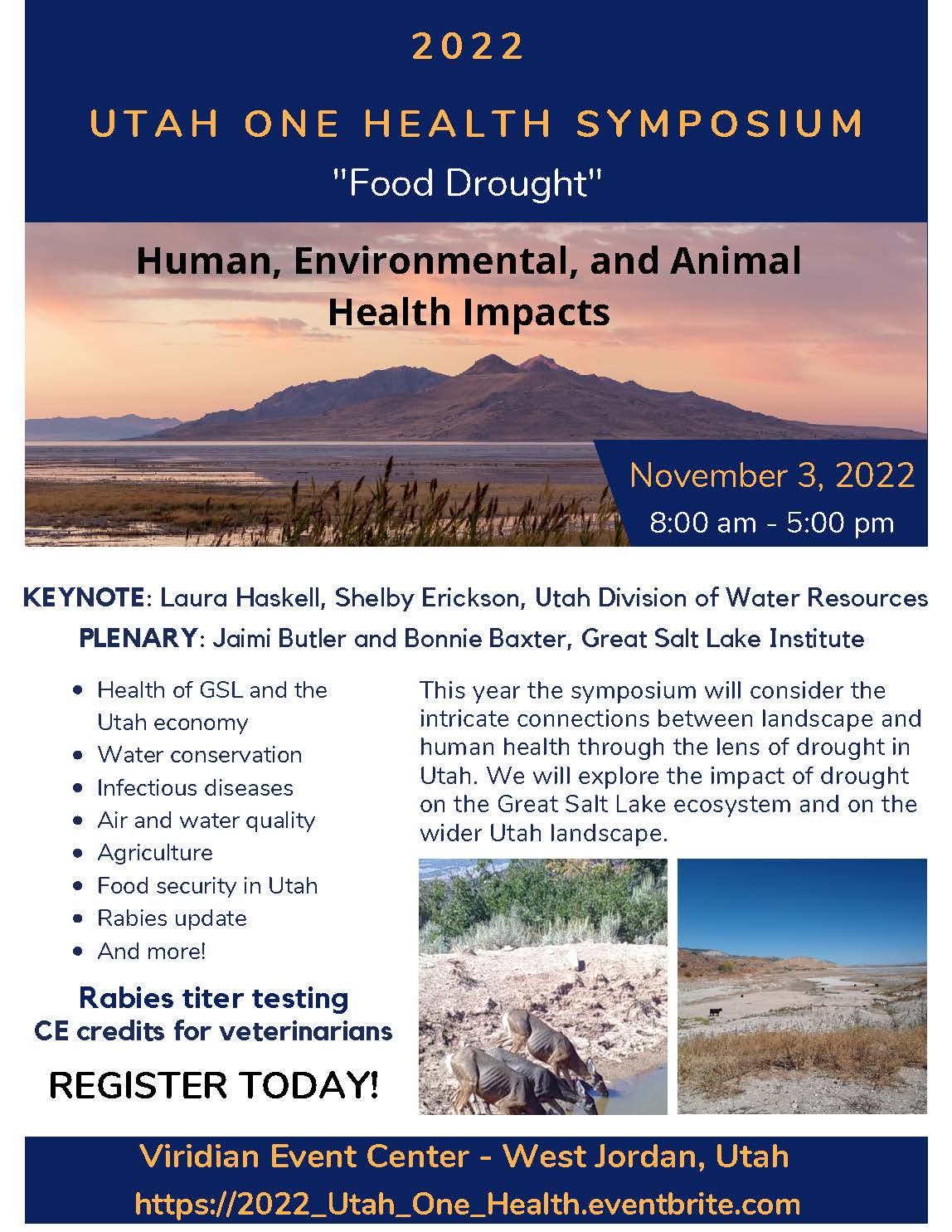
The Utah Department of Health and Human Services (DHHS) offers One Health internships.
Current needs and opportunities:
- Flexible, unpaid practicum opportunities
Student travel funding resources:
Partners in the Utah One Health network
Associations/groups:
- Utah Veterinary Medical Association (UVMA)
- Utah Public Health Association (UPHA)
- Utah Environmental Health Association (UEHA)
- Utah Association of Local Health Departments (UALHD)
- Utah Mosquito Abatement Association (UMAA)
- Utah Rapid Response Team (URRT)
- Utah Poison Control Center (UPCC)
Healthcare:
- Veterinarians and veterinary medical clinics
- Human healthcare providers and systems
Universities:
- Utah State University (USU), Extension One Health
- Westminster College, Great Salt Lake Institute
Local government:
- Local health departments
- Mosquito abatement districts
- Animal control jurisdictions
State government:
- Utah Department of Health and Human Services (DHHS)
- Utah Department of Agriculture and Food (UDAF)
- Utah Department of Environmental Quality (UDEQ)
- Utah Division of Wildlife Resources (UDWR)
- Utah Division of Water Resources (UDWRe)
- Utah Division of Emergency Management (UDEM), Be Ready Utah
Federal government:
- Centers for Disease Control and Prevention (CDC), One Health Office
- USDA Animal and Plant Health Inspection Service Veterinary Services (APHIS VS), One Health
- USDA Food Safety and Inspection Service (FSIS)
- Food and Drug Administration (FDA)
- National Park Service (NPS)
- US Geological Survey, National Wildlife Health Center (USGS NWHC)
- US Fish and Wildlife Service (USFWS)
- Indian Health Service (IHS)
- Urban Indian Organization
Tribal government:
- Tribal health departments
- Tribal mosquito abatement districts
- Tribal animal control jurisdictions
Other entities
Want to add your organization’s name to this list or learn more about one health in Utah? Email [email protected].
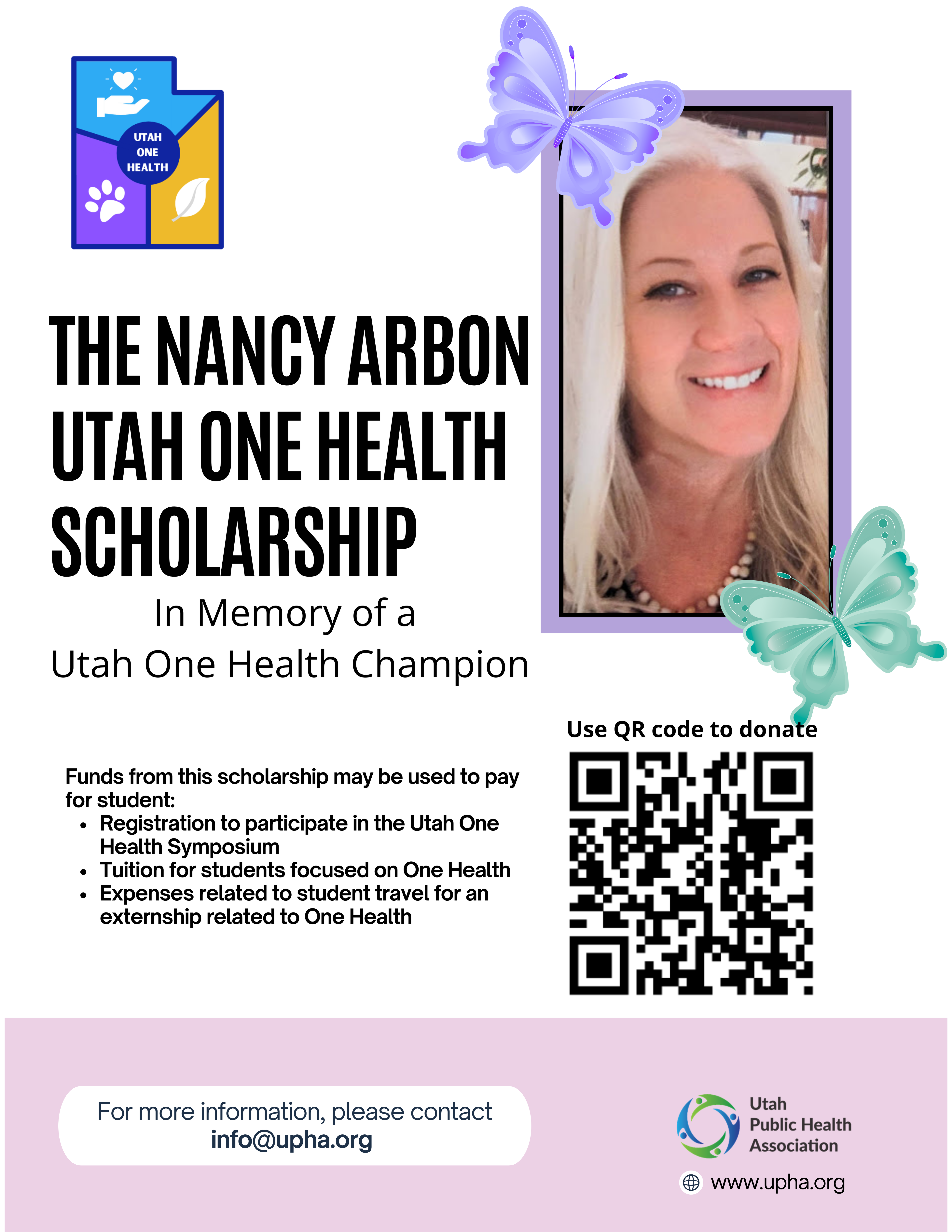
Nancy Arbon played a key role in establishing the annual Utah One Health Symposium. Nancy earned a degree in Environmental Science from the University of Utah. She worked for many years at the Utah Public Health Laboratory as the customer relations manager, as well as in the Toxicology lab and, most recently, as the Antimicrobial Resistance Laboratory Network coordinator. Nancy was an essential part of the public health laboratory and was instrumental in establishing the Utah One Health Symposium, previously the Rabies Consortium.
Nancy tragically passed away on October 2, 2024. Her friends on the planning committee of the Utah One Health Symposium established this scholarship to memorialize Nancy and help make sure her legacy of compassion, service, dedication to students, and passion for one health in Utah continues. Nancy was foundational in establishing the Utah One Health Symposium and is a Utah one health pioneer.
She is greatly missed. We’ve created this scholarship to honor her work as a Utah one health pioneer.
Eligibility and use:
Students who are enrolled in a university or college in Utah and who are pursuing studies related to One Health are eligible to apply.
Students may use funds from this scholarship to pay for:
- Registration to participate in the Utah One Health Symposium
- Tuition for students focused on One Health
- Expenses related to student travel for an externship related to One Health
Application:
Fill out the application here.
Student selection:
Student recipients of this scholarship will be decided by the Utah Public Health Association (UPHA) in consultation with the Utah One Health Symposium planning committee.
Fund management:
Funds in this scholarship will be managed by the Utah Public Health Association in consultation with the Utah One Health Symposium planning committee.
Donation:
This scholarship is funded by donations. People or organizations can donate through UPHA here: https://buy.stripe.com/4gw2aGc6L4UEbsY8wx